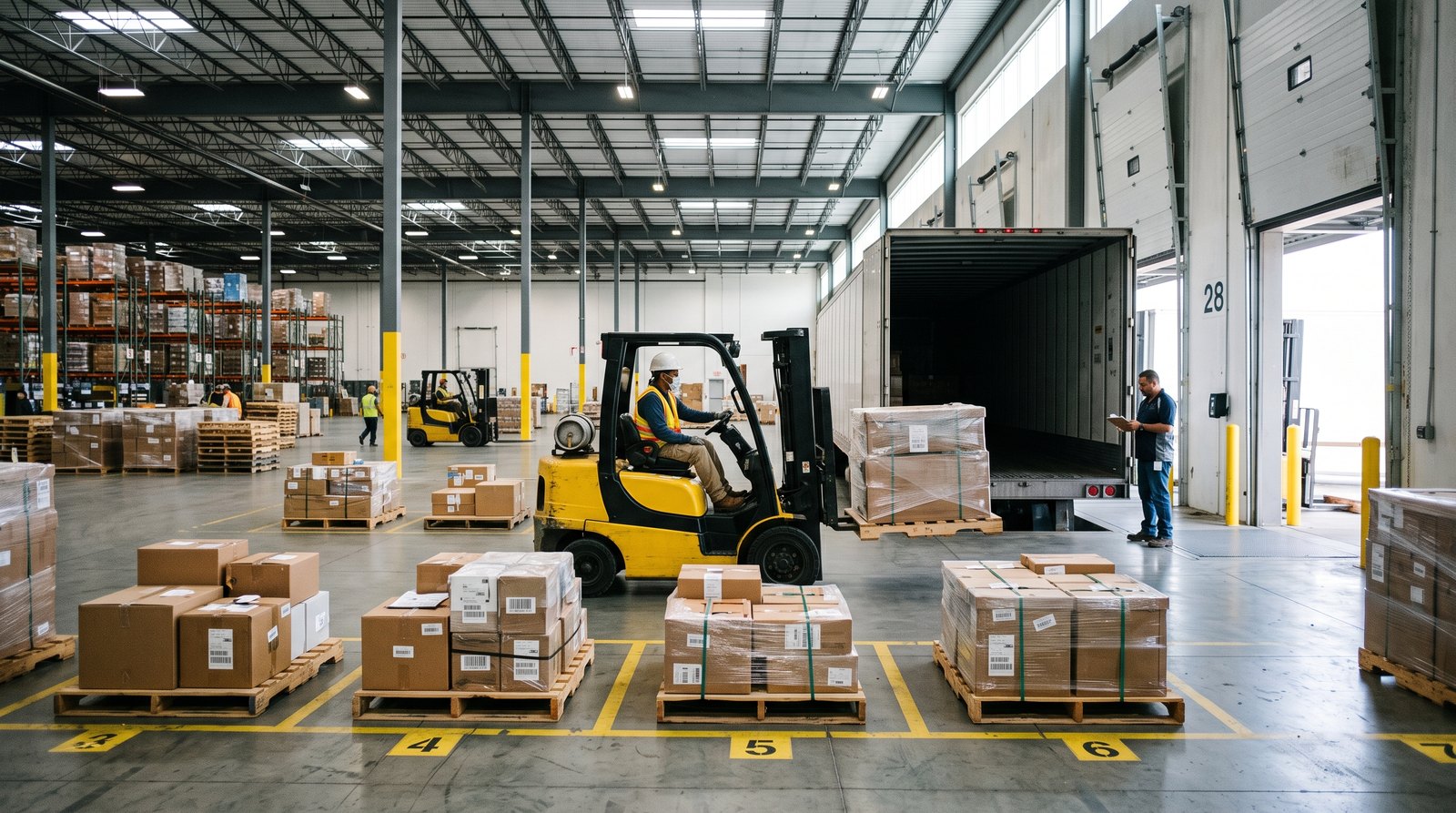
LTL consolidation is the practice of receiving several less-than-truckload shipments at one facility and combining them into a single outbound load headed the same direction. Instead of paying LTL rates and absorbing terminal-to-terminal handling on each shipment, you pay one dock transfer and one linehaul. For Denver shippers running repeat volume to the Front Range, the mountain corridor, or out-of-state lanes, consolidation at a Denver cross-dock is often the single biggest cost lever available that does not require changing carriers.
How LTL Consolidation Works at a Cross-Dock
The workflow is straightforward. Multiple inbound LTL shipments arrive over a defined window - a day, a few days, or a weekly cycle. Each is received, counted, and inspected at the dock. Freight is staged in an outbound lane assigned to a destination or route. When the target volume or the cutoff time is reached, the staged pallets load onto one outbound trailer and move as a single shipment.
The mechanics look a lot like ordinary cross-docking, with one difference: freight is deliberately held in staging until the consolidation window closes. If you have not read it yet, cross-docking vs transloading explains where a straight dock transfer ends and other handling begins.
When Consolidation Saves Money and When It Does Not
| Situation | Consolidate? | Why |
|---|---|---|
| Three or more LTL shipments per week to the same region | Yes | One linehaul replaces several LTL rates and several terminal handlings |
| Freight with flexible delivery dates | Yes | The consolidation window needs a day or two of slack to fill |
| Fragile or high-claim-rate freight | Often yes | Fewer terminal touches usually means fewer damage claims |
| One-off single shipment | No | There is nothing to combine it with; straight LTL is cheaper |
| Hard same-day or next-morning appointment | No | Waiting for the window to fill defeats the delivery commitment |
| Destinations scattered across unrelated regions | No | A consolidated trailer only works when the stops share a direction |
What Consolidation Actually Costs
Consolidation replaces per-shipment LTL pricing with a handling charge plus one linehaul. The handling side typically follows the same per-pallet or per-load logic covered in cross-docking rate models. Budget for the following line items so nothing surprises you at invoice:
- Inbound receiving per pallet or per shipment, including count and condition check.
- Staging or short-term storage for the days freight waits for the window to close.
- Outbound loading onto the consolidated trailer.
- Optional rework if pallets need rewrap, restack, or relabeling before they ship. See rewrap vs repalletize.
- Accessorials such as detention or lumper fees on the inbound side. The full list is in the accessorial charges guide.
How to Set Up a Consolidation Program
1. Define the window and the cutoff
Pick a repeatable cycle - for example, inbound Monday through Wednesday, outbound Thursday morning. A published cutoff is what makes consolidation predictable for your carriers and your customers.
2. Standardize the pallet
Mixed pallet heights and inconsistent wrap waste trailer space and add handling. If your suppliers use different pallet standards, read CHEP vs standard pallets before you set the spec.
3. Book inbound appointments
Every inbound shipment should arrive inside an appointment window so the dock is not absorbing unscheduled arrivals. The process is the same one described in how to book a cross-dock slot in Denver, and it is also the best defense against detention fees.
4. Document condition on arrival
Because freight from multiple shippers ends up on one trailer, clean receiving records are what keep a downstream claim from becoming an argument. Use the OS&D documentation checklist.
A weekly Denver consolidation cycle
Consolidation at Denver Express
Denver Express operates a 60,000+ sq ft facility at 6030 Washington St, Suite 130, with dock doors, a flatbed side-unload ramp, on-site storage for staging, and in-house rework for anything that needs to be made ship-ready before it goes out. To scope a consolidation program, send your lane, weekly pallet count, and target cutoff through the contact page or call 303-289-4343.
More in Cross-docking & transloading
Keep reading in this cluster
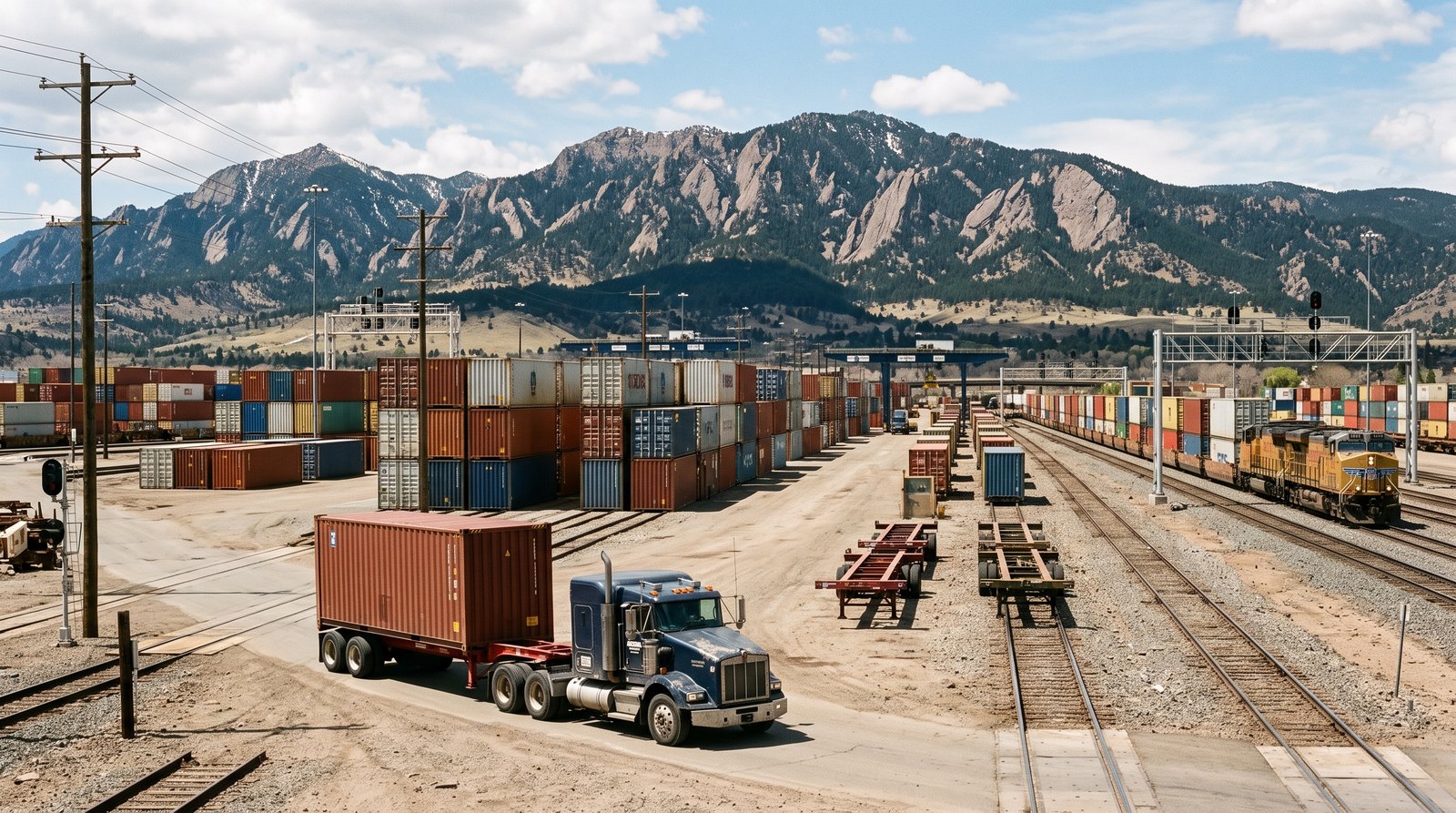
Intermodal Freight in Denver: When It Makes Sense vs Standard Trucking
Intermodal freight in Denver works well on long-haul lanes, but the transload step often determines whether the move stays on schedule. Learn when rail-plus-truck makes sense and what to plan at the cross-dock.
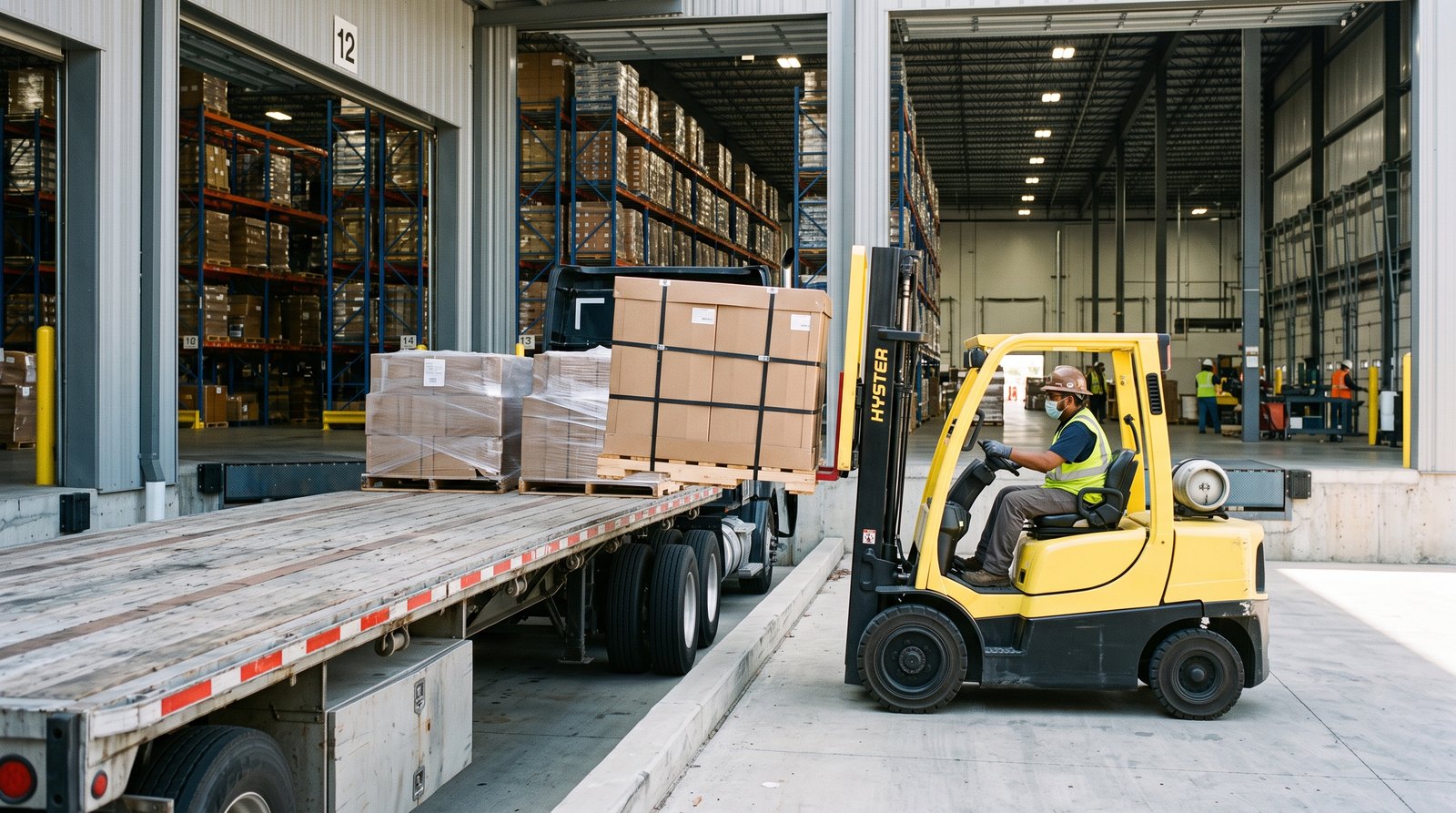
Flatbed Cross-Docking in Denver: How Side-Unloading Freight Moves Through a Dock
Standard dock doors can't receive flatbed freight. Denver Express operates a dedicated side-unloading ramp so flatbed loads can cross-dock without a trailer swap.
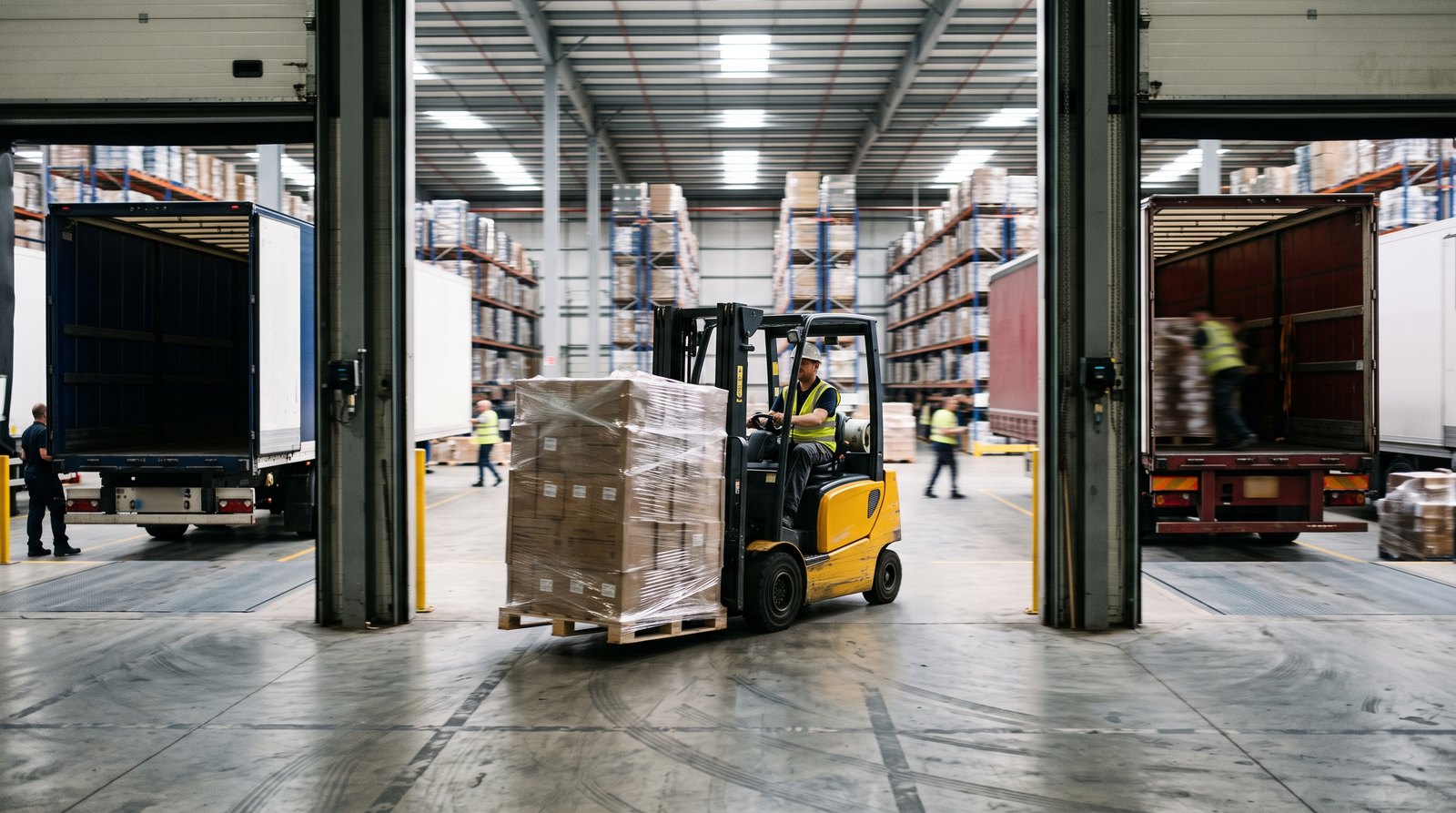
Same-Day Cross-Docking in Denver: What Makes It Feasible and What Usually Breaks the Plan?
Same-day cross-docking sounds simple because the goal is simple: get freight in, move it across the dock, and send it back out without turning it into storage. The operational reality is tighter than ...
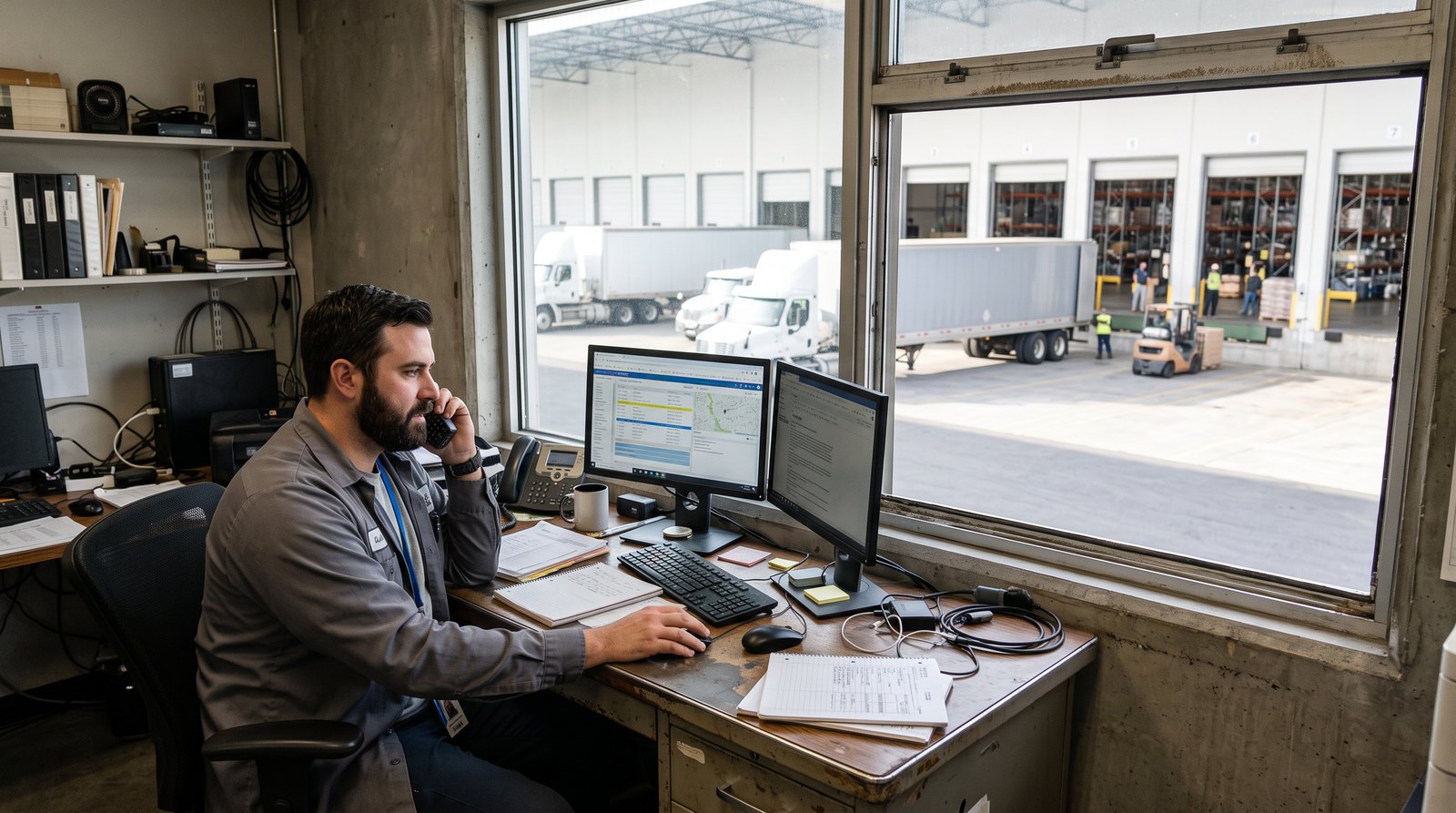
What Is a Cross-Dock Slot in Denver-and What Do You Need to Book One Fast?
Need a cross-dock slot in Denver fast? Learn what a dock slot really is, what details matter most, and what to send before you request availability.