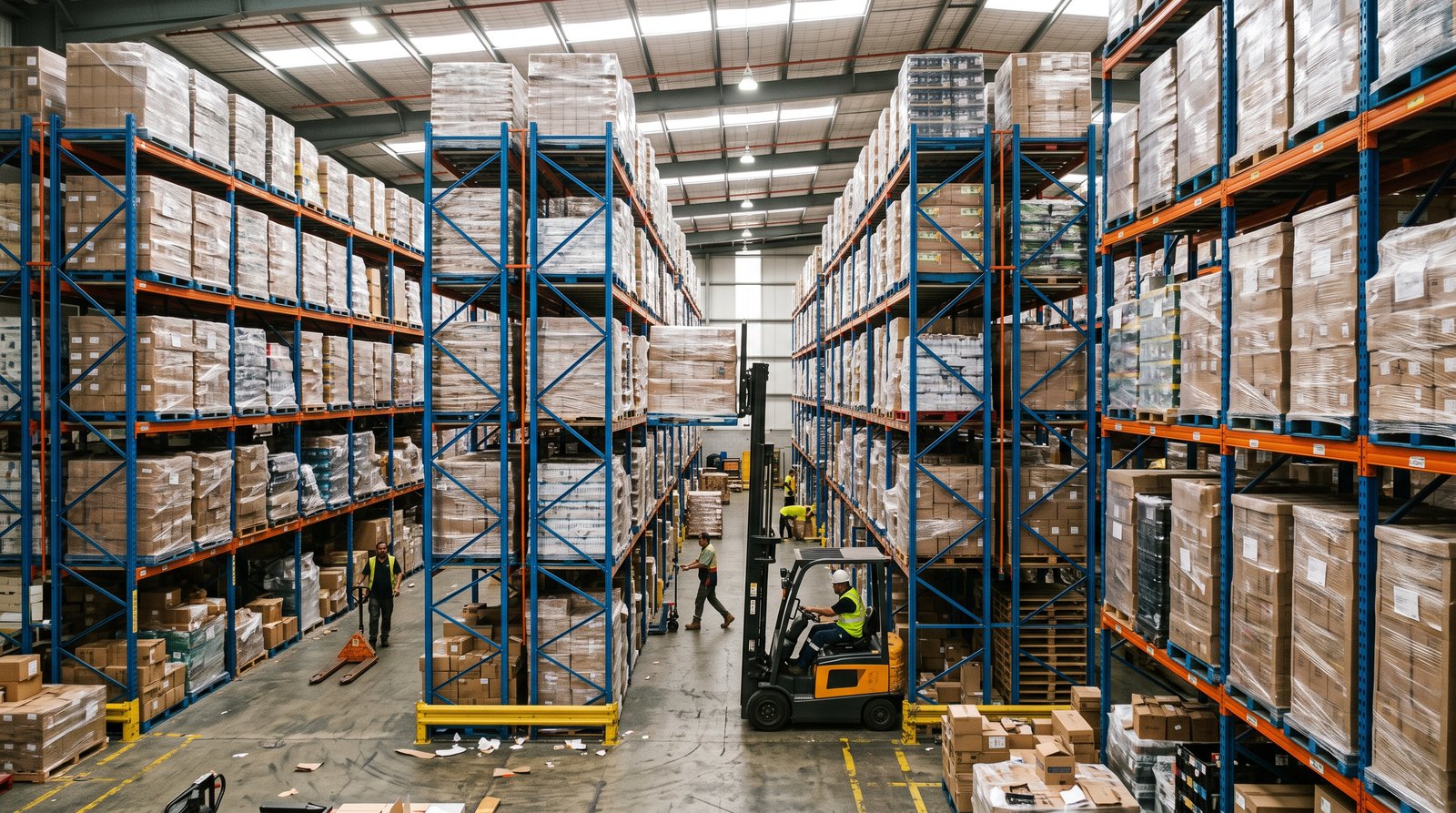
Seasonal overflow storage is short-term warehouse space you take on for a defined peak window - usually four to sixteen weeks - so inventory that will not fit in your own building has a place to sit without committing to a full-year lease. In Denver, the demand curve is predictable: inbound volume climbs ahead of holiday retail, spring construction, and summer beverage and outdoor-goods seasons, and it drops again once the season clears. This post covers how to size overflow space, what it costs, when to book it, and how overflow storage connects to cross-docking and rework when a peak-season load arrives in worse shape than planned.
What Counts as Seasonal Overflow Storage
Overflow storage is not a different service from ordinary warehousing in Denver. It is the same racked or floor-stacked pallet space, priced and scheduled around a start and end date you name up front. The difference is intent: you are buying a temporary buffer, not a permanent home for inventory. That changes three things - how the space is quoted, how much notice the facility needs, and how the freight is staged so it can leave quickly when the season ends.
If you are still deciding whether your need is genuinely seasonal or is turning into an ongoing program, the comparison in short-term vs ongoing warehouse storage walks through the break-even point in detail.
How to Size Overflow Space Before You Ask for a Quote
The most common sizing mistake is quoting peak pallet count without accounting for how long each pallet actually stays. Overflow space is consumed by pallet-days, not pallet count. Two hundred pallets that turn every ten days occupy far less space over a season than one hundred pallets that sit for the full twelve weeks.
- Peak pallet count: the highest number of pallets on the floor at one time, not the total you will ship across the season.
- Pallet dimensions and stackability: standard 48x40 vs oversized, and whether pallets can be double-stacked. Stackable freight can cut required floor positions close to in half.
- Turn rate: how often pallets leave and get replaced. A fast turn means you need fewer positions but more labor.
- Start and end dates: a real window, even if approximate. Open-ended requests get quoted conservatively.
- Handling profile: whether freight arrives palletized or floor-loaded, and whether outbound goes as full pallets or picked cases.
Send those five items with your request and a facility can usually quote the same day. The full list is in the warehouse quote checklist.
What Seasonal Overflow Storage Costs
Overflow space is normally quoted one of three ways, and the right model depends on how predictable your pallet count is.
| Pricing model | How it works | Best fit | Watch for |
|---|---|---|---|
| Per pallet, per month | A flat rate per pallet position occupied, prorated or billed on a fixed cycle | Predictable pallet counts with steady turn | Whether partial months prorate or bill in full |
| Per square foot | A rate on dedicated floor area regardless of how full it is | Oversized, non-stackable, or irregular freight | You pay for the footprint even when it empties out |
| Handling in and out plus storage | Separate charges for receiving, put-away, picking, and loading | High-turn seasonal programs | Handling can exceed storage if the turn rate is fast |
The trade-offs between the first two models are covered in detail in per-pallet vs per-square-foot warehouse pricing. If your season involves heavy inbound and outbound activity, also read how to avoid surprise cross-dock fees before you sign off on a rate sheet.
When to Book Peak-Season Space in Denver
Book overflow space four to eight weeks ahead of your peak, and earlier if your season lines up with a regional demand spike. Denver warehouse capacity tightens ahead of Q4 retail and again in late spring when construction and outdoor-goods inventory move through the metro at the same time. A facility can almost always take a pallet or two on short notice; it cannot conjure two hundred positions in three days during the tightest weeks of the year.
A realistic booking timeline
Overflow Storage and the Services Around It
Seasonal freight rarely arrives perfectly. Container loads come in floor-loaded and need palletizing, wrap fails in transit, or a receiver rejects a delivery mid-season and the load has to come back somewhere. Keeping storage, dock transfer, and corrective handling under one roof means those exceptions do not turn into a second facility, a second bill, and a second day of transit.
- Cross-docking for pallets that only need to change trailers rather than sit in storage.
- Freight rework for restacking, rewrapping, and repalletizing before inventory goes to rack.
- Intermodal transloading for containers arriving by rail into the Denver metro.
- Temporary storage after a rejected delivery when a peak-season load comes back.
Common Mistakes in Seasonal Storage Planning
- Quoting total season volume instead of peak-on-floor count. It inflates the quote and can price you out of space you did not need.
- Leaving the end date open. An undefined exit gets quoted like an ongoing program.
- Forgetting outbound labor. Storage is cheap; the labor to pick and load at the end of a season is not free.
- Skipping condition documentation on arrival. If damage is found in week nine, nobody can prove when it happened. Use the OS&D documentation checklist at receiving.
- Ignoring food-grade requirements. If the product is edible or ingestible, confirm the facility qualifies. See food-grade warehousing requirements.
Getting Overflow Space at Denver Express
Denver Express has run warehousing, cross-docking, and rework from 6030 Washington St, Suite 130 since 1998, in a 60,000+ sq ft facility with 30 ft storage height near the I-25/I-70 interchange. To reserve peak-season space, send your pallet count, dimensions, window, and handling profile through the contact page, or call 303-289-4343 for anything urgent.
More in Warehousing & storage
Keep reading in this cluster
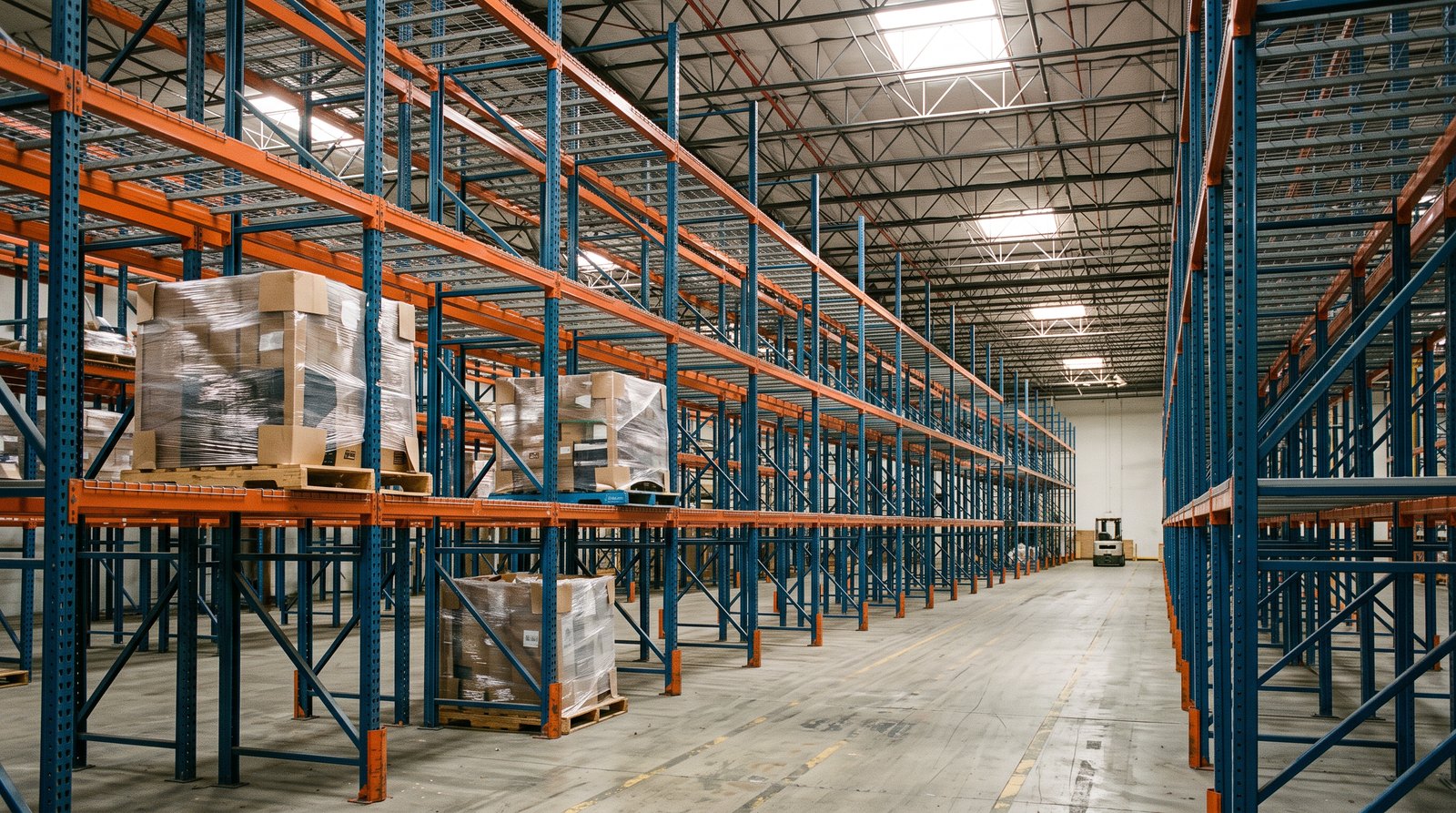
Short-Term vs Ongoing Warehouse Storage in Denver: Which Setup Fits Your Freight?
Compare short-term vs ongoing warehouse storage in Denver. Learn which setup fits your freight based on duration, movement cadence, access, and operational needs.
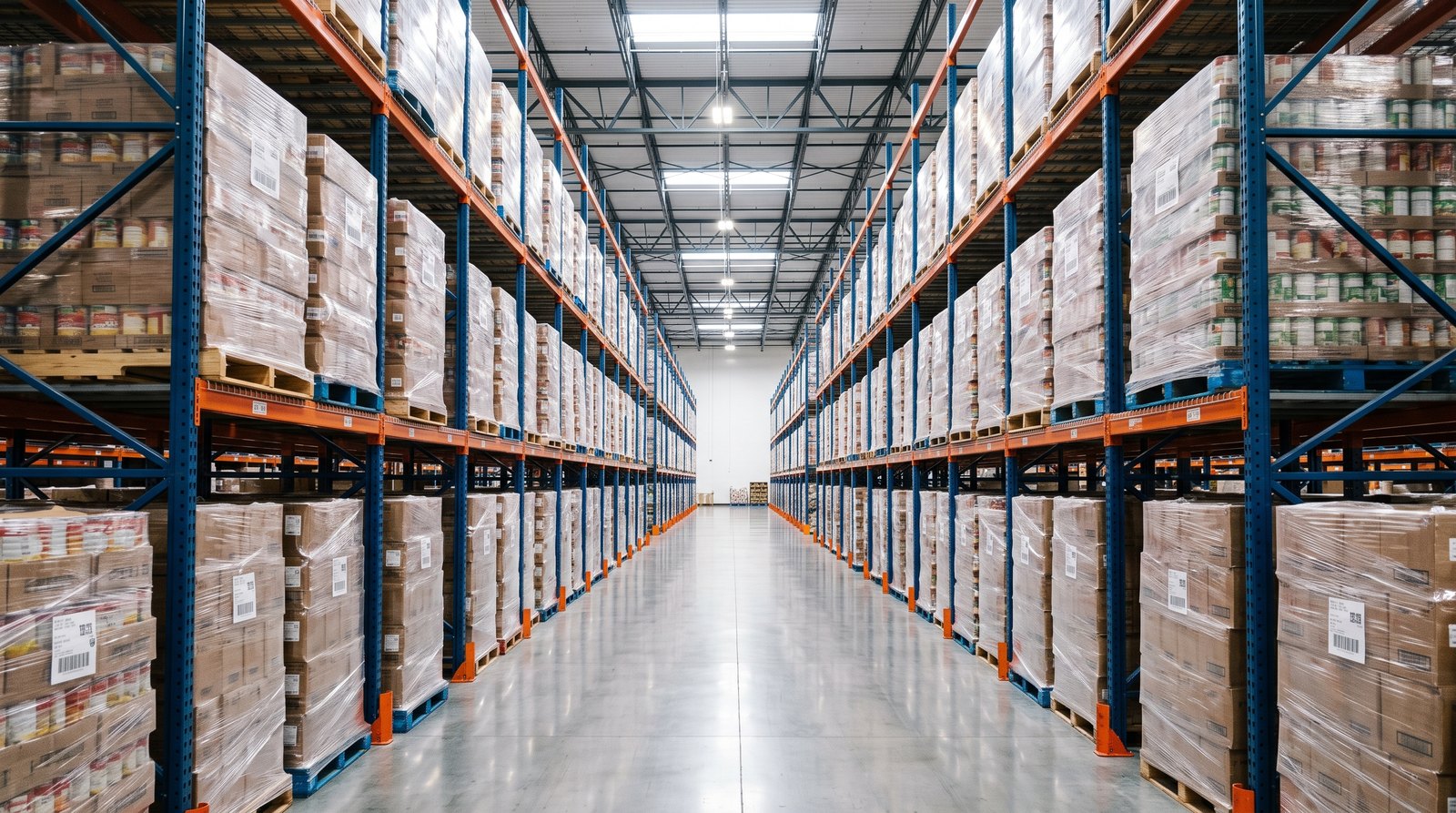
Food-Grade Warehousing in Denver: What Shippers Actually Need to Qualify
Food-grade warehousing is not a single certification. It is a set of operational practices. Learn what Denver Express requires for ambient dry storage of packaged food products.
Pallet Storage in Denver: When It Fits Better Than Leaving Freight on the Trailer
Leaving freight on the trailer can feel like the simplest short-term answer when delivery timing breaks down. Sometimes it is. But in many Denver freight situations, pallet storage is the better opera...
Temporary Freight Storage in Denver After a Rejected Delivery: What Happens Next?
A rejected delivery does not always turn into a rework job, and it does not always mean the freight should stay on the trailer. Sometimes the next best move is temporary freight storage while the ship...