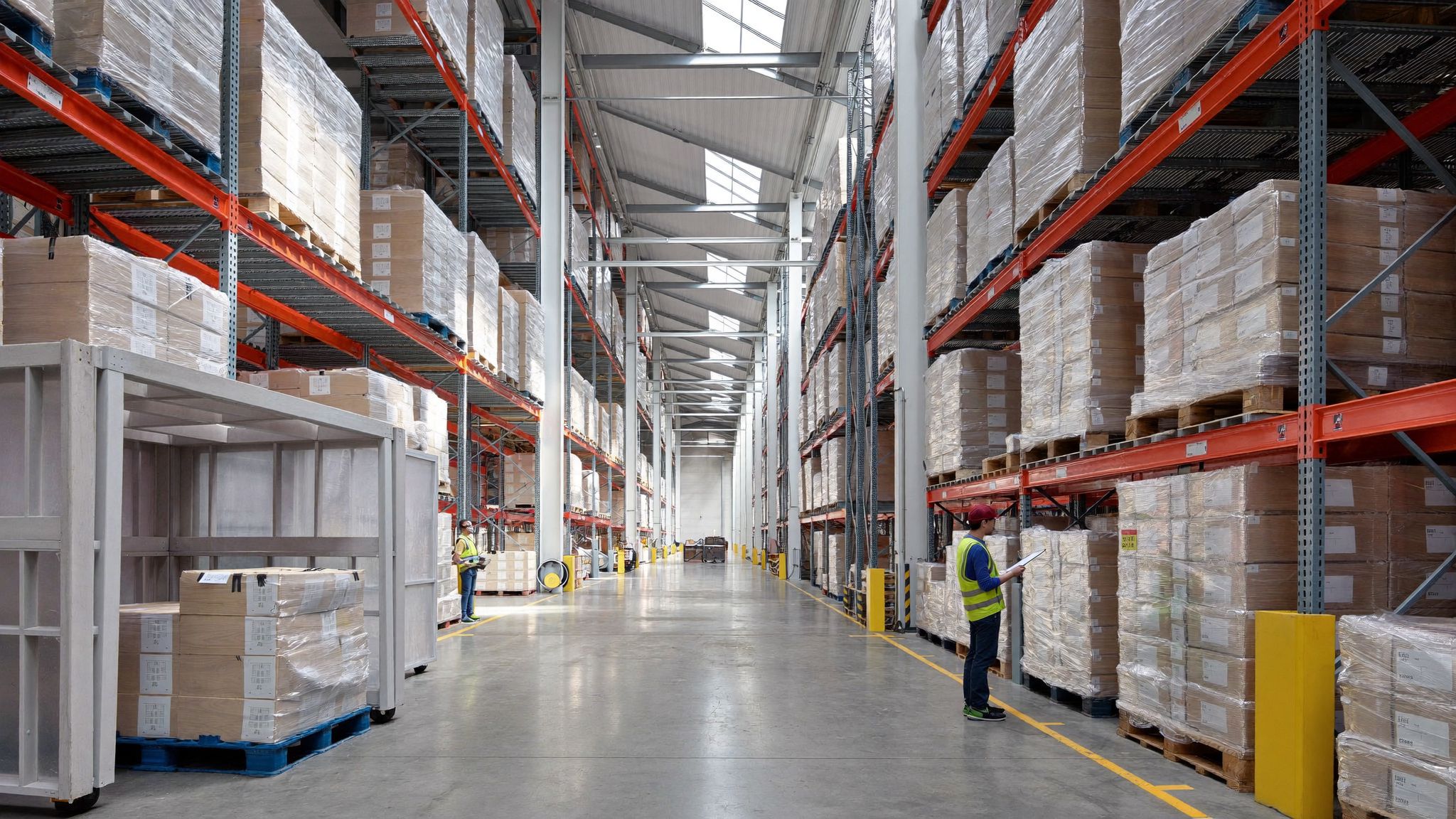
Warehousing is paying a facility to hold your freight in a controlled, staffed building and to handle it on the way in and on the way out. That is the whole idea. Everything else — pallet positions, racking, receiving fees, inventory counts — is detail hanging off those two jobs: storing goods and moving them.
Shippers get confused because "warehousing" gets used for three different things: long-term inventory storage, short-term staging between trucks, and emergency space for a load that has nowhere to go today. This guide separates them in plain English, using how a Denver facility actually operates. If you want the service overview first, start with warehousing in Denver.
What does warehousing actually include?
A real warehousing arrangement bundles space with labor. When you buy warehousing you are usually buying some mix of the following:
- Storage space — racked pallet positions or floor space reserved for your product
- Receiving — unloading the inbound truck or container, counting, and noting condition
- Put-away — moving freight from the dock to its storage location
- Outbound handling — pulling product, staging it, and loading the outbound truck
- Documentation — bills of lading, receiving reports, photos, and exception notes
Self-storage gives you the first item and nothing else. A warehouse gives you people and equipment attached to the space, which is why a warehouse can receive a trailer at 7 a.m. while you are asleep and a storage unit cannot.
Warehousing vs cross-docking vs rework: what is the difference?
These three services share a building and a dock, and that is exactly why they get mixed up. The difference is how long the freight stays and whether anyone changes it.
| Service | How long freight stays | What happens to it | Typical trigger |
|---|---|---|---|
| Warehousing | Days to months | Stored, counted, released on demand | You need inventory close to the market |
| Cross-docking | Hours to a couple of days | Unloaded and reloaded onto another truck | Freight is changing trucks or modes |
| Rework | Hours to days | Restacked, rewrapped, repalletized, sorted | Load shifted, got rejected, or arrived wrong |
Plenty of real jobs use two or three at once: a container gets unloaded, half the pallets get rewrapped, and the rest goes into storage for three weeks. For a side-by-side breakdown see warehousing vs cross-docking vs rework.
When does warehousing make sense for your freight?
Warehousing earns its cost when holding product near the customer is cheaper or faster than shipping it from far away every time. Common situations:
- Regional distribution — you sell into Colorado and the Front Range and want stock in the metro
- Seasonal overflow — your own building fills up for a few months a year, covered in seasonal overflow storage
- Project staging — materials must land before the job site can receive them
- Rejected or refused loads — the freight needs somewhere safe while the claim gets sorted, covered in temporary storage after a rejected delivery
- Import flow — containers arrive in large batches and get released in small ones
How is warehousing priced?
Most warehouses charge separately for space and for work. Space is billed per pallet position, per square foot, or per cubic foot. Work is billed per receipt, per pallet handled, or per hour. A low storage rate with high handling fees can easily cost more than the reverse if your freight turns quickly.
Before comparing quotes, read per pallet vs per square foot pricing so you are comparing the same thing, and check the accessorial charges guide for the fees that surprise people later.
What does a warehouse need to know before it can quote you?
Fast quotes come from complete details. A facility can usually price the job the same business day when it knows:
- Product type — including whether it is food-grade, hazardous, or temperature-sensitive
- Pallet count and footprint — standard 48x40, oversized, or floor-loaded
- Stackability — can pallets be double-stacked, and to what height
- Duration — one week, one quarter, or ongoing
- Movement cadence — how often freight goes in and out
- Timing — when the first inbound truck arrives
The full list lives in the warehouse quote checklist. If your product is edible, food-grade warehousing requirements covers what a facility must confirm first.
Do you need a warehouse or just a trailer parked somewhere?
A trailer hold is cheaper and slower. Freight stays on the trailer, nothing is counted or racked, and every access request means moving equipment. Racked warehouse space costs more and gives you counts, condition visibility, and same-day pulls. The trade-off is explained in pallet storage vs trailer hold and in short-term vs ongoing storage.
Frequently asked questions about warehousing
Is warehousing the same as a 3PL?
No. Warehousing is a service. A 3PL is a company that may bundle warehousing with transportation, freight brokerage, and fulfillment. You can buy warehousing on its own without outsourcing your shipping.
What is a pallet position?
One slot in a rack sized to hold one standard pallet. Storage is often billed by how many positions your freight occupies for the billing period.
How quickly can a warehouse take freight?
With complete details and available space, same-week intake is common and same-day is sometimes possible. Product type and dock availability decide it. See what to confirm before same-week intake.
Can a warehouse also fix freight that arrived damaged?
Yes, when the facility offers rework. Restacking, rewrapping, and repalletizing normally happen on the same dock the freight was received on.
Does warehousing help with rail or intermodal freight?
Often. Containers off rail get unloaded, sorted, and stored before final delivery. See intermodal services and when intermodal makes sense.
Next step
If you know roughly what you have and when it lands, that is enough to get a real answer. Send the details through our quote form or call 303-289-4343, and you will get availability and pricing the same business day. For the full menu of what happens under one roof, see all Denver Express services.
More in Warehousing & storage
Keep reading in this cluster
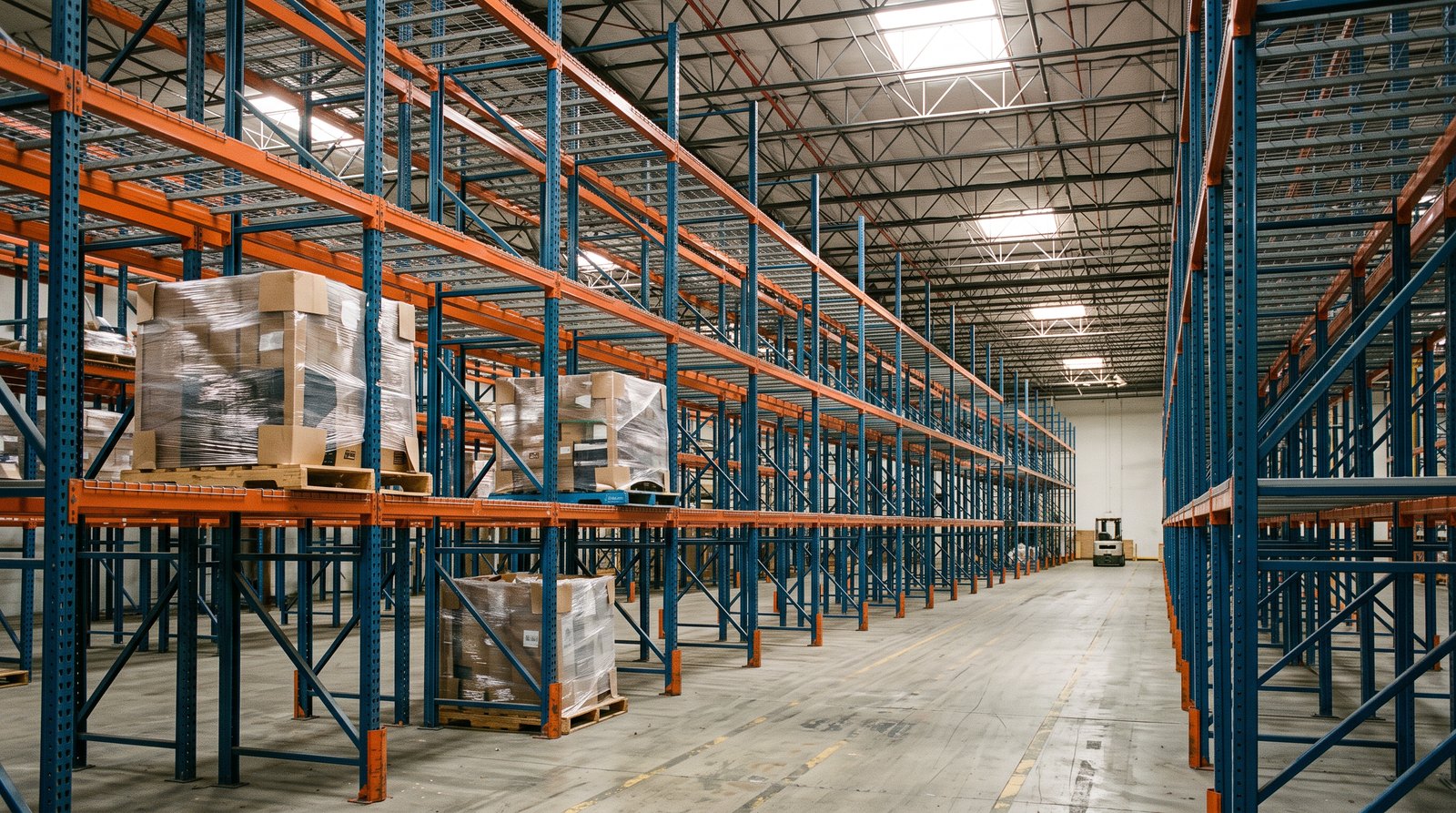
Short-Term vs Ongoing Warehouse Storage in Denver: Which Setup Fits Your Freight?
Compare short-term vs ongoing warehouse storage in Denver. Learn which setup fits your freight based on duration, movement cadence, access, and operational needs.
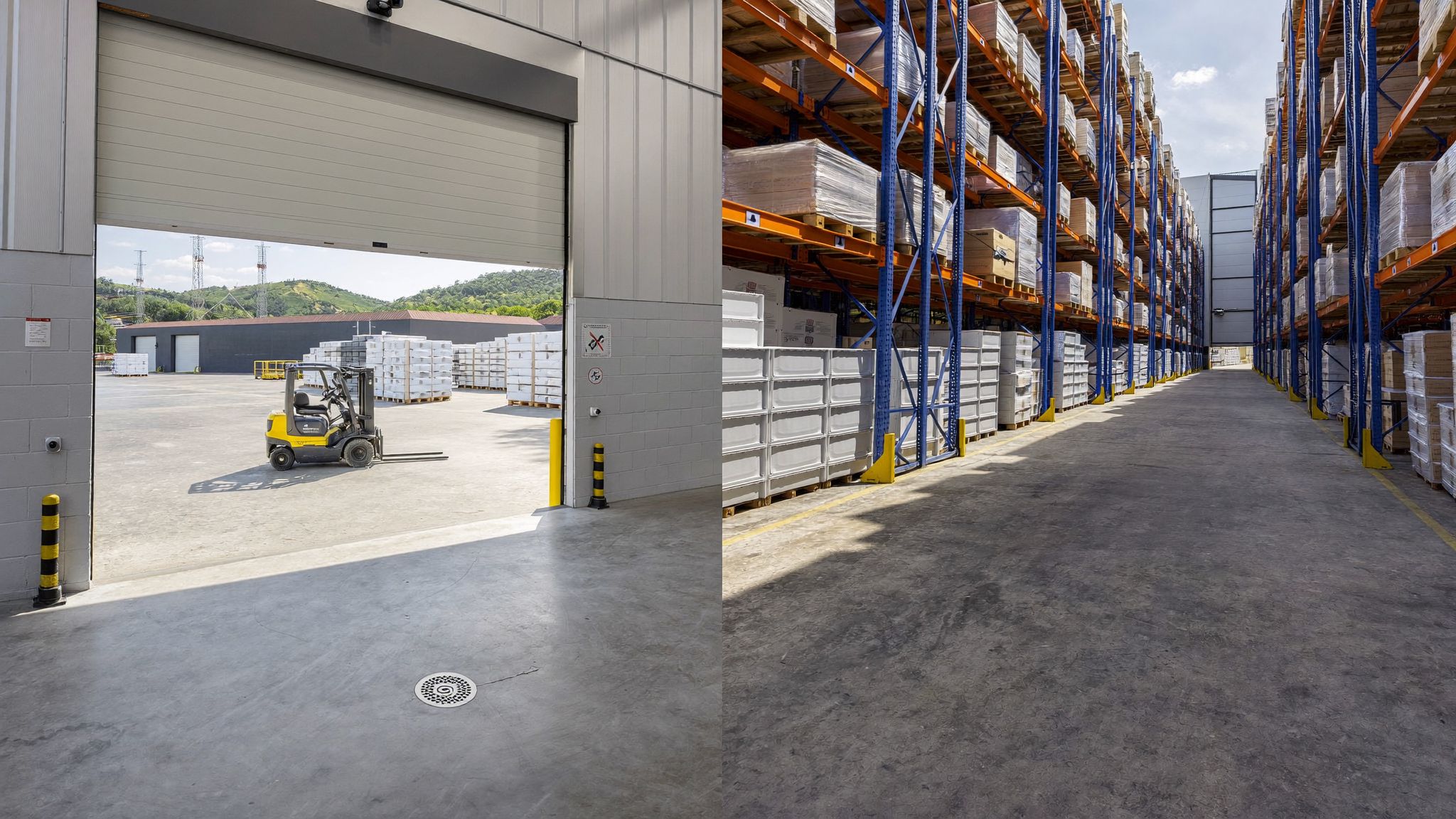
3PL Warehousing vs Self-Storage: Which One Does Your Freight Need?
Self-storage rents a locked box; a warehouse gives you a dock, a forklift, and documented counts. Use this comparison to pick the right option for palletized freight in Denver.
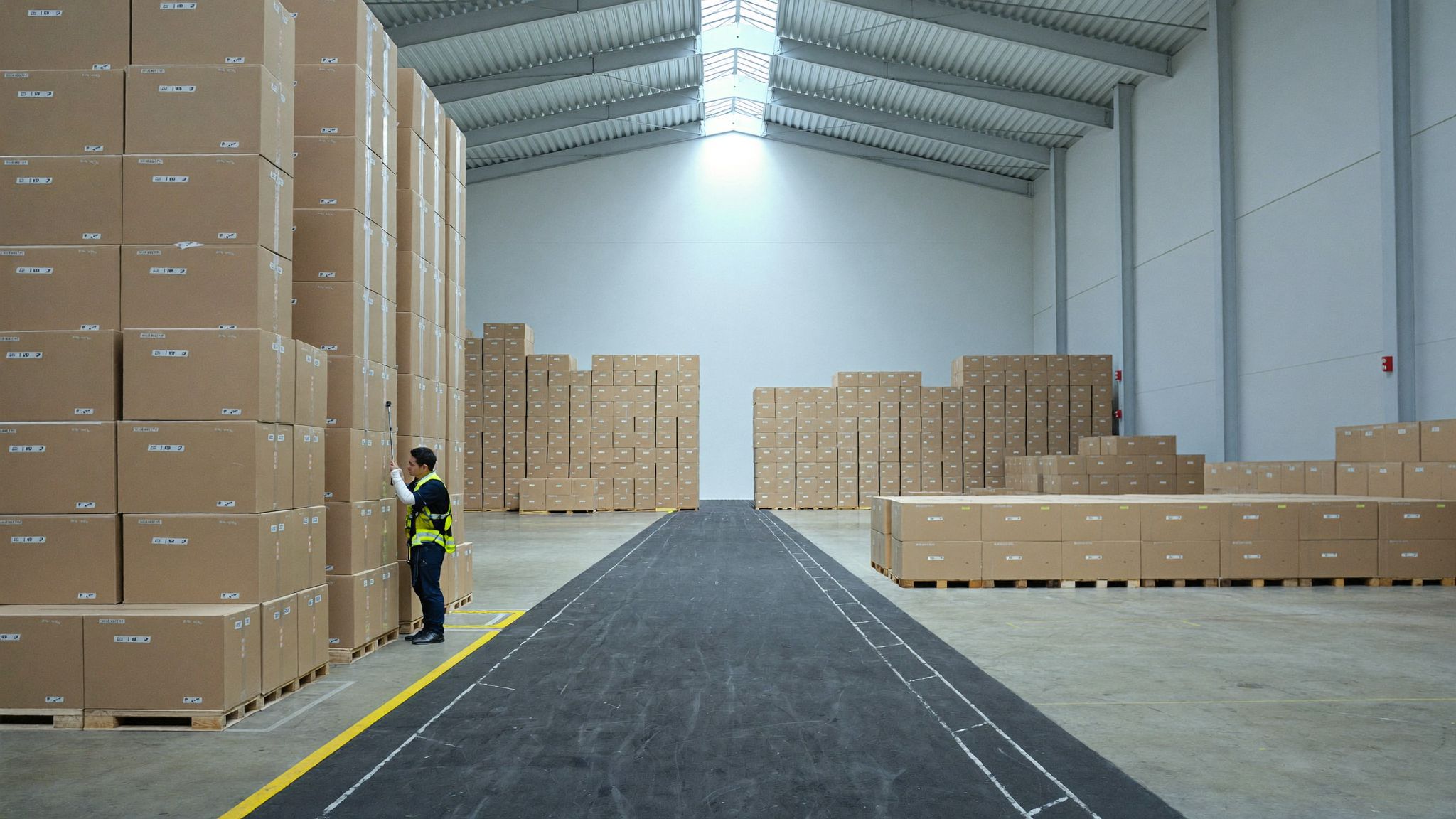
How Much Warehouse Space Do I Need? Pallet Positions vs Square Feet
Count pallets at peak, confirm stackability, then convert to space. A practical method for sizing Denver warehouse storage, plus the five mistakes that break estimates.
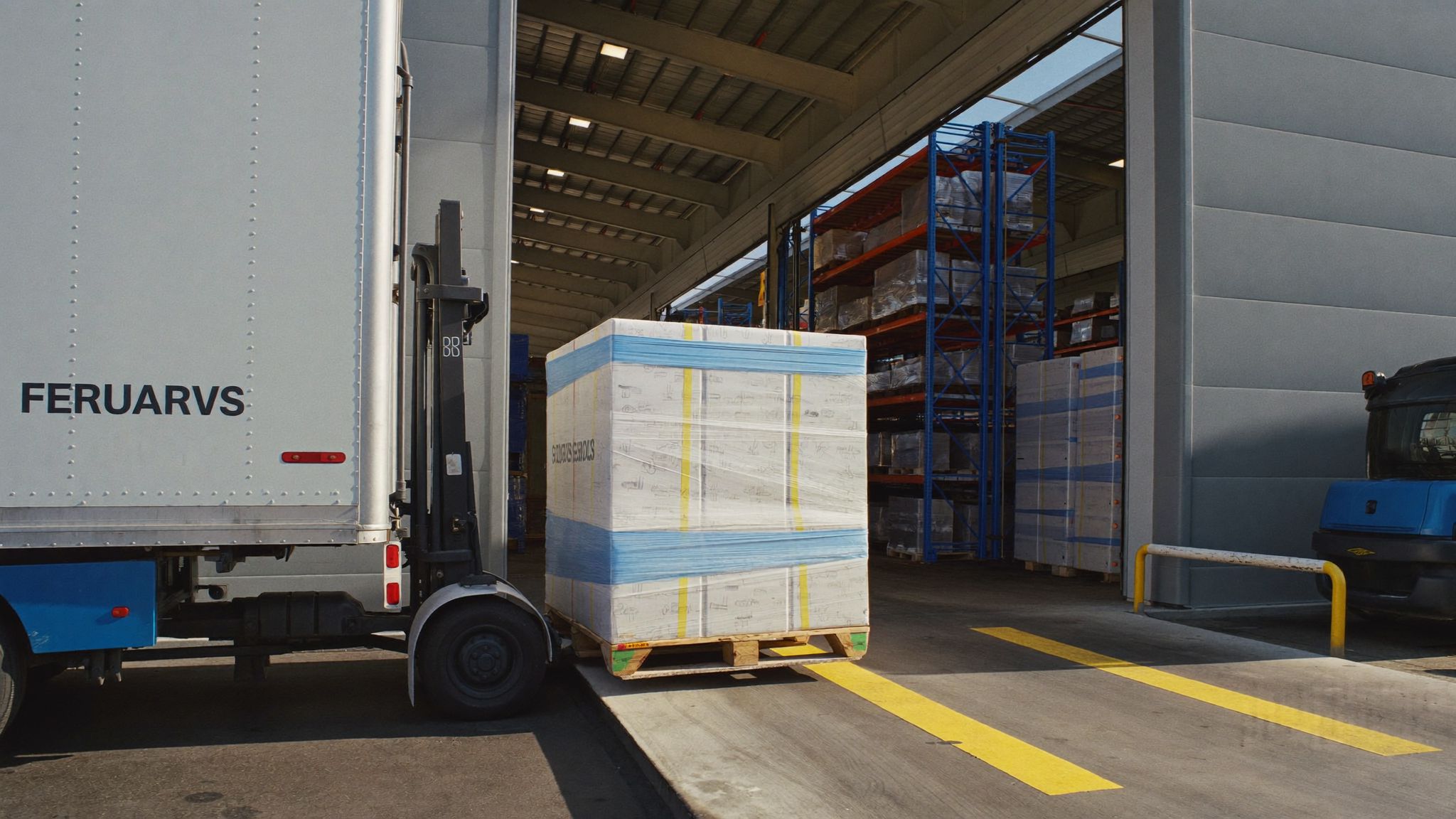
Trailer Storage vs Warehouse Space: When to Make the Switch
A parked trailer is cheap until you need access. Six signals it is time to move freight into racked Denver warehouse space, and how the switch actually works.